WE LIVE HERE. LET ME SHOW YOU WHY.

I’ll be honest: some mornings I still stop the car just to look. A glacier glowing above a turquoise lake, cows with bells on the road, a hut owner waving because he knows you. This is our corner of the Alps, and in summer it is something else.
We live in SalzburgerLand, and after all these years it still surprises us. Glaciers and lakes, waterfalls and gorges, grand old spa towns and modern mountain hotels, Mozart’s city and villages where the dialect changes from one valley to the next. All of it within an hour or two.
We feel blessed to live here. Let me show you why, with the places we love, the secrets we share with friends, and the small things that make a summer here unforgettable.
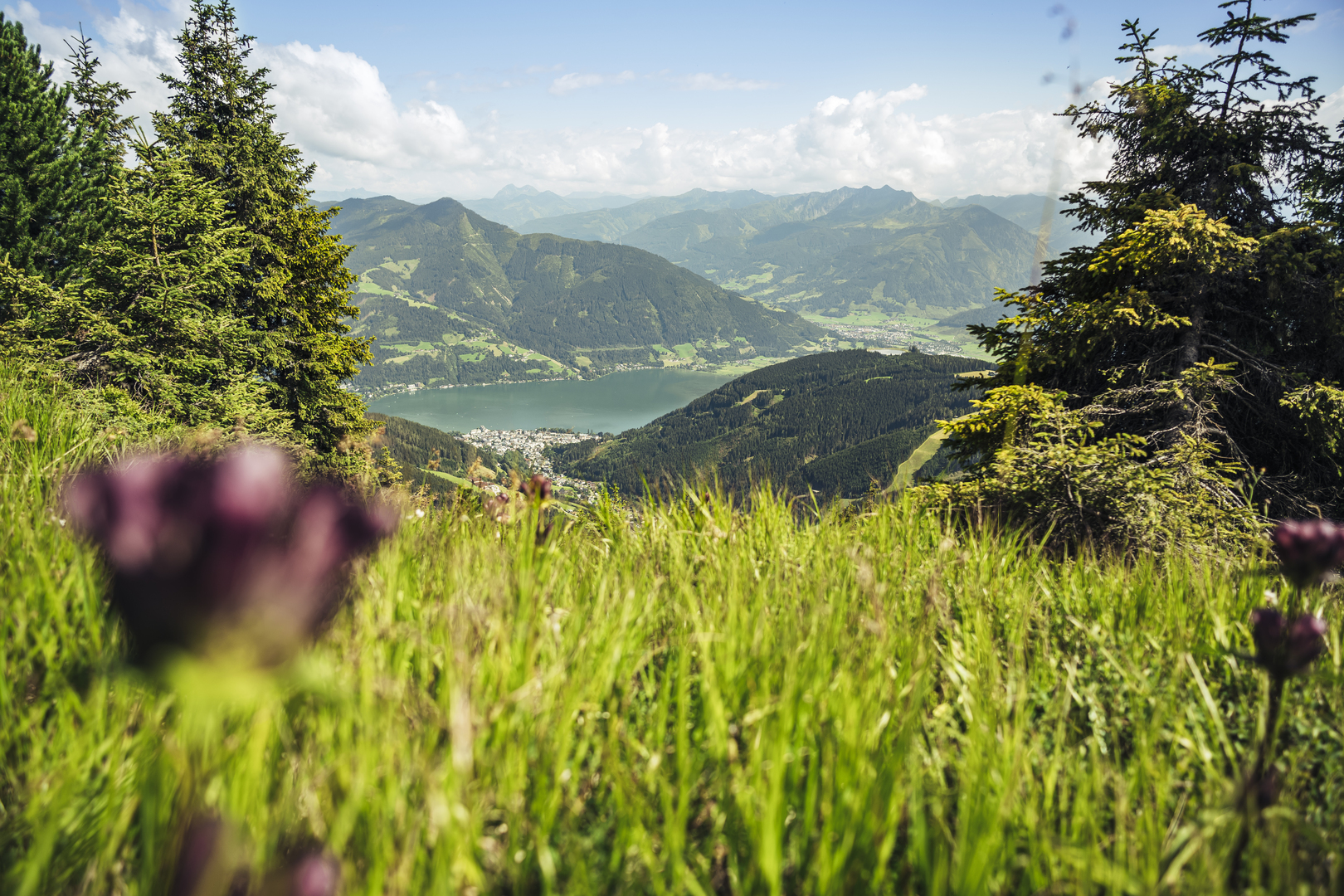 The view from Schmittenhöhe. Our backyard.
One region. Every kind of beautiful.
Drive twenty minutes and you are in another world. One valley has a glacier, the next has Austria’s highest waterfalls, the next a mountain road that took thousands of people to build. Add lakes clean enough to swim in every day, salt towns thousands of years old, Mozart’s city and food that makes you forget your diet.
And it all simply works. The trains run on time, the roads are perfect, the huts are spotless and the hosts have welcomed guests for generations. That is SalzburgerLand: wild nature, with everything sorted.
Snow above, swimming below.
In the morning you are standing on the Kitzsteinhorn glacier, throwing snowballs in July. After lunch you are floating in a lake so clean you could almost drink it. Same day, twenty minutes apart. I don’t know anywhere else that does this.
Zell am See is the perfect base. A little old town on the lake, the Schmittenhöhe cable car right from the centre, boats crossing the water and evenings on the promenade when the mountains turn pink. You unpack once, and every evening you come home to the same lake.
Everyone swims on the town side. We cross to Thumersbach. It is quieter, and you look straight back at Zell with the mountains behind it. The best view on the lake, and nobody tells you.
Glacier in the morning. Turquoise lakes at 2,000 metres.
Just next door, Kaprun takes you higher. Ride up to the Kitzsteinhorn, the Top of Salzburg, and stand above 3,000 metres with views across the Hohe Tauern, the largest national park in the Alps.
Or take the bus, the tunnel and one of Europe’s biggest open-air inclined lifts up to the high mountain reservoirs. Two giant turquoise lakes held by dams, surrounded by peaks and glaciers. You walk along the dam wall with the whole world below you.
Right in Kaprun, hidden behind the village, is the Sigmund-Thun gorge. Wooden walkways, roaring water and cool air on a hot day. Twenty minutes of pure magic, and most visitors drive right past it.
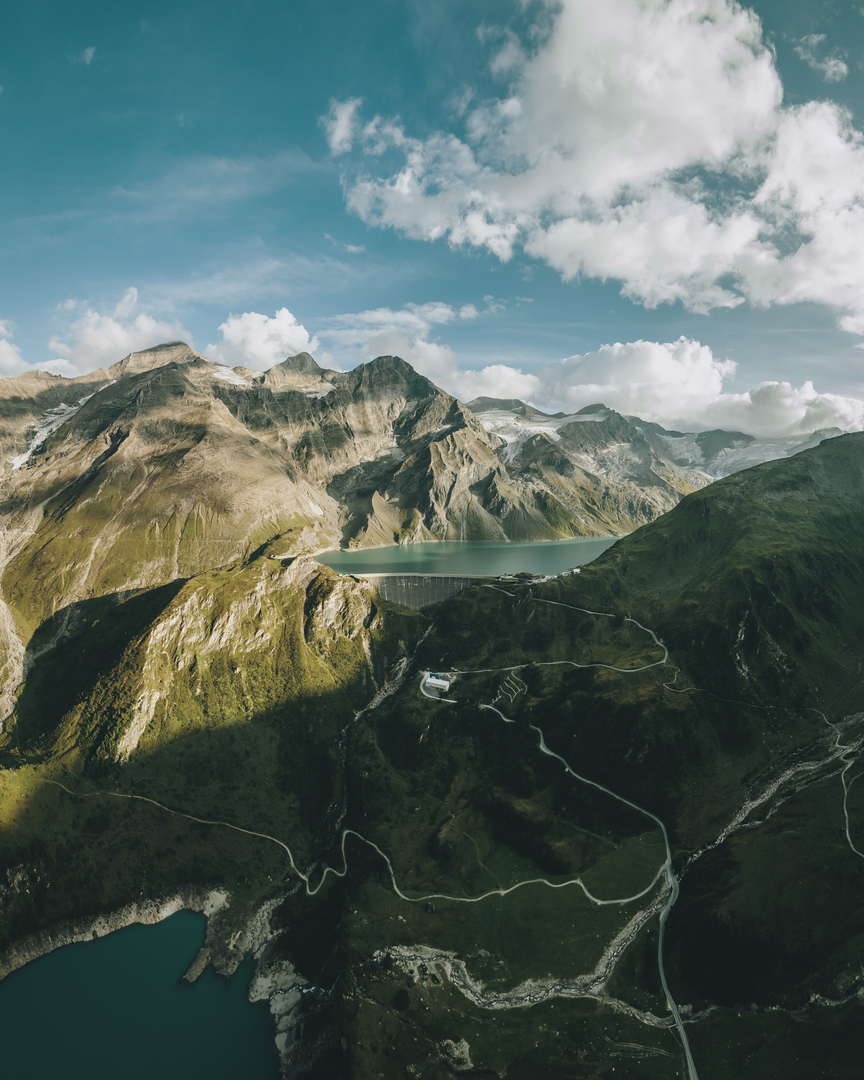
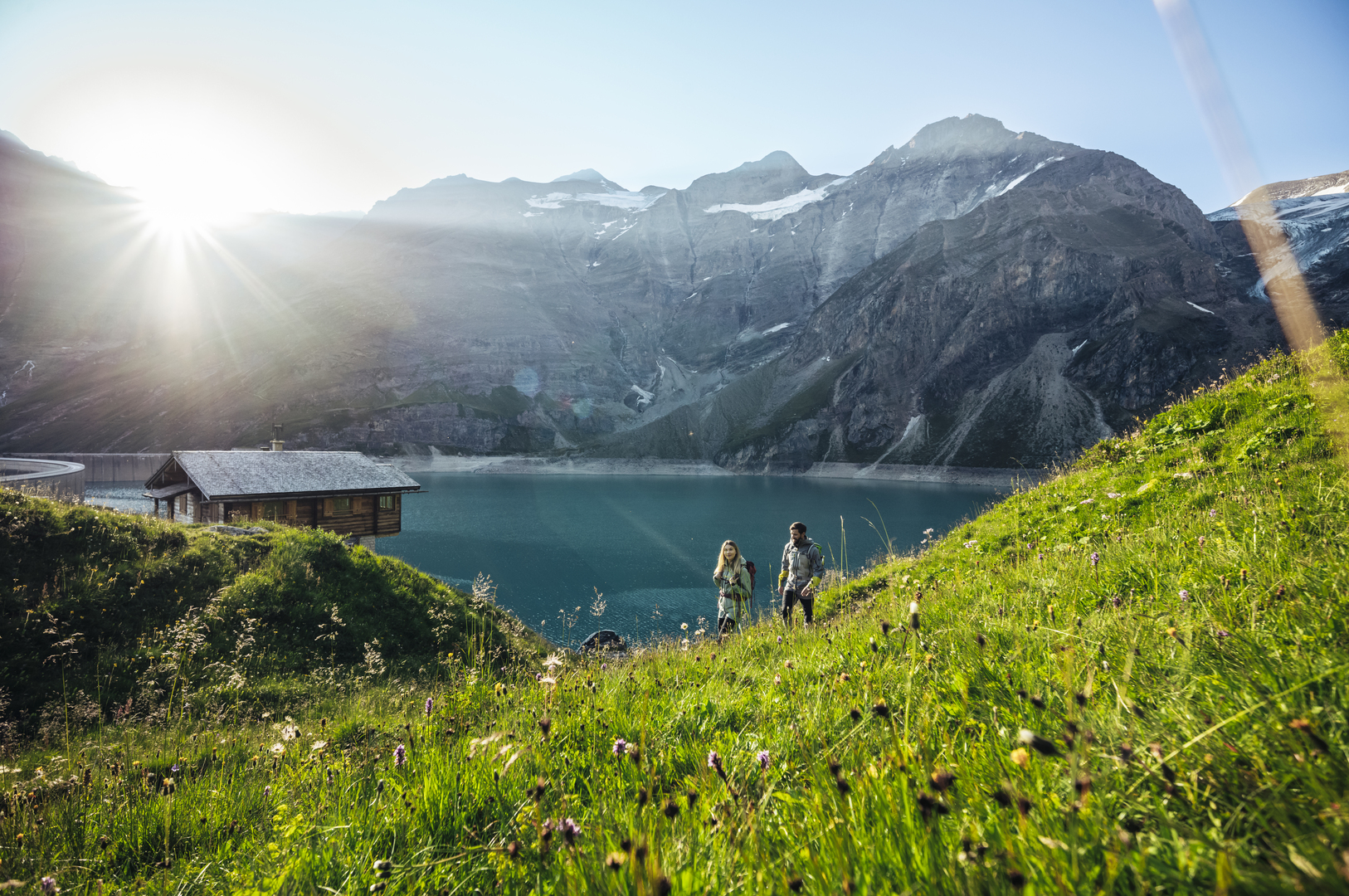
A green playground in summer
You know Saalbach for skiing. In summer it becomes a green playground: mountain bike trails for every level, easy hut-to-hut walks, high meadows full of flowers and huts where the owners still make everything themselves.
You ride up, walk across the ridge and come down for a Kaiserschmarrn. That is a good day.
Where emperors came to take the waters
In Bad Gastein, a waterfall crashes right through the middle of town, between grand Belle Époque hotels where emperors, empresses and the elegant world of old Europe came for the healing thermal water.
Today it is a beautiful mix of old glamour and new design. Spend a day in the thermal spas, and if you want to feel something truly unusual, ask us about the healing gallery deep inside the mountain.
Your summer card. So much is already included.
In Zell am See-Kaprun, Saalbach Hinterglemm, Gastein and many other valleys, a lot of hotels give their guests a summer card for free. Most visitors only find out when they arrive. With the right hotel, many of your days out are already paid for.
- Mountain lifts and cable cars
- Boat trips on the lake
- Entrances to pools, museums and attractions
- Guided hikes and activities for the whole family
- Local buses between the villages
- What is included depends on the valley, and we tell you exactly what yours covers
The road that touches the sky.
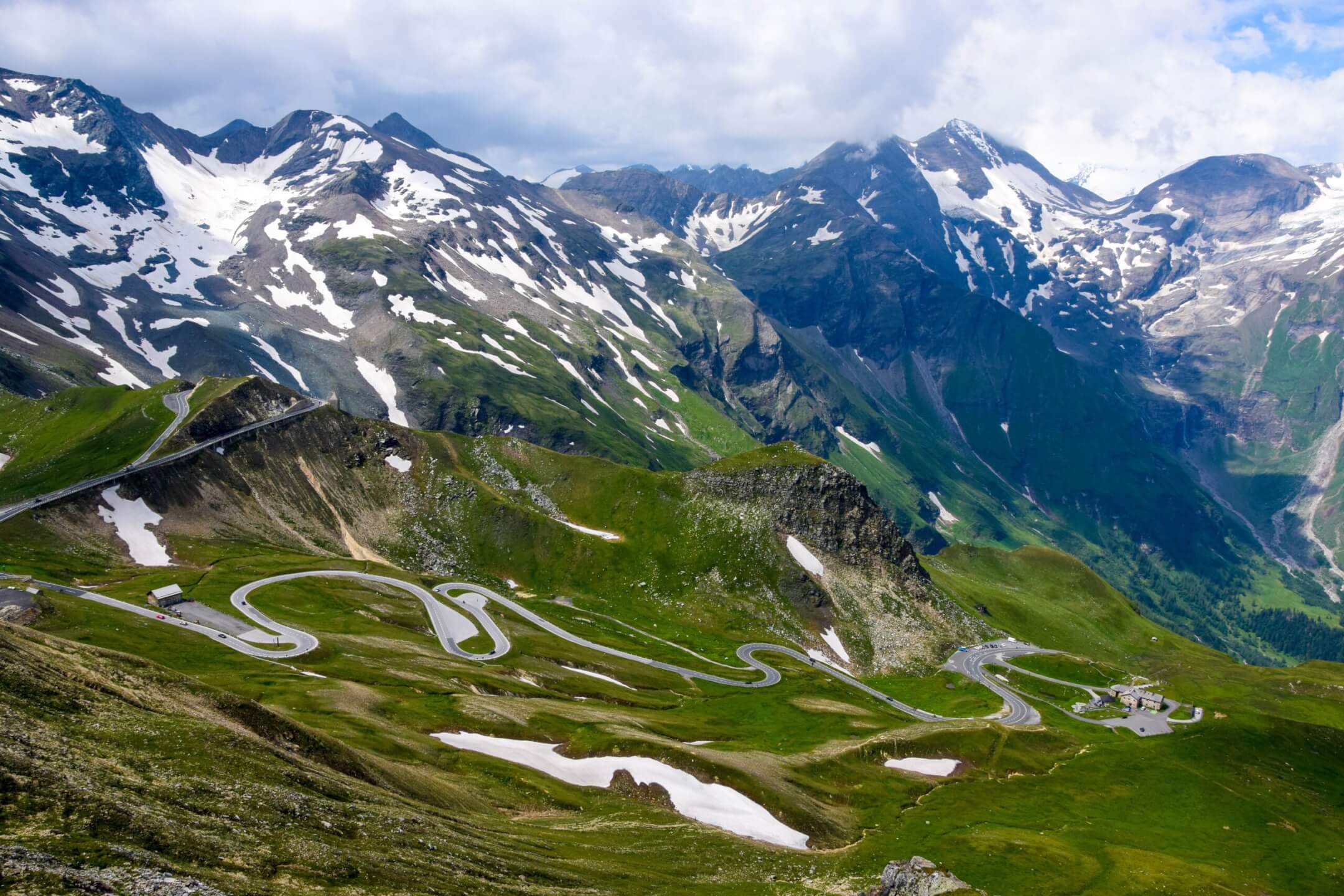
Opened in 1935 and built by thousands of workers, mostly by hand, this road climbs through 36 hairpin bends towards the Grossglockner, Austria’s highest mountain. Every bend shows you a different world: green meadows, then rock, then snow, then ice.
At the top, the Pasterze, Austria’s largest glacier, lies right in front of you. And all around, the marmots whistle and sit up on the rocks like they own the place. Because they do.
Start early, before the tour buses, and bring a warm jacket even on the hottest summer day. At the top it can be twenty degrees colder than in the valley.
Austria’s highest waterfalls. And a rainbow, if you are lucky.
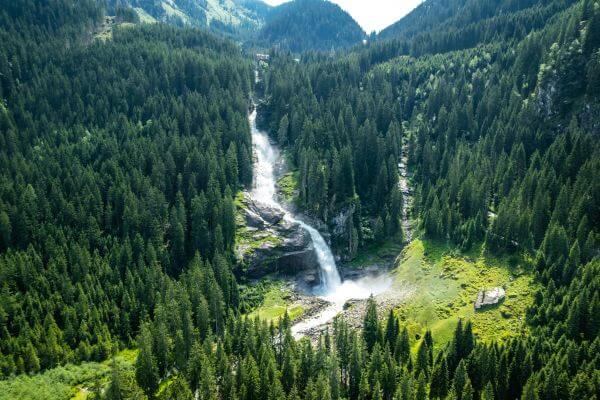
At the end of the Pinzgau valley, the Krimml Waterfalls fall 380 metres in three giant steps. The path climbs right beside them, so you feel the spray on your face and the thunder in your chest.
Locals swear the mist is good for your lungs, and doctors have actually studied it. Whether you believe it or not, you will breathe deeper here.
Go in the morning, when the sun hits the spray. That is when the rainbows appear right inside the waterfall.
The cheese that announces itself
Order Pinzgauer Kasnocken at a mountain hut: little dumplings baked in a pan with the local Pinzgauer cheese, crispy onions on top. The cheese has a strong smell, locals will laugh and warn you. Then you taste it and understand.
Finish with a Kaiserschmarrn, the torn, fluffy pancake with plum jam, and a small schnapps the hut owner made himself. Every valley has its favourite. Every hut thinks theirs is best.
The meadow that turned to ice
Locals tell of a high pasture on the Hochkönig, once so rich that the farmers grew proud and careless. They bowled with cheese wheels and wasted bread, and turned away a poor man asking for help.
That night it snowed and never stopped. The rich meadow disappeared under ice forever. They still call that glacier the Übergossene Alm, the meadow that was buried. Look up at it, and remember to be kind.
Lake days, the way we have them.
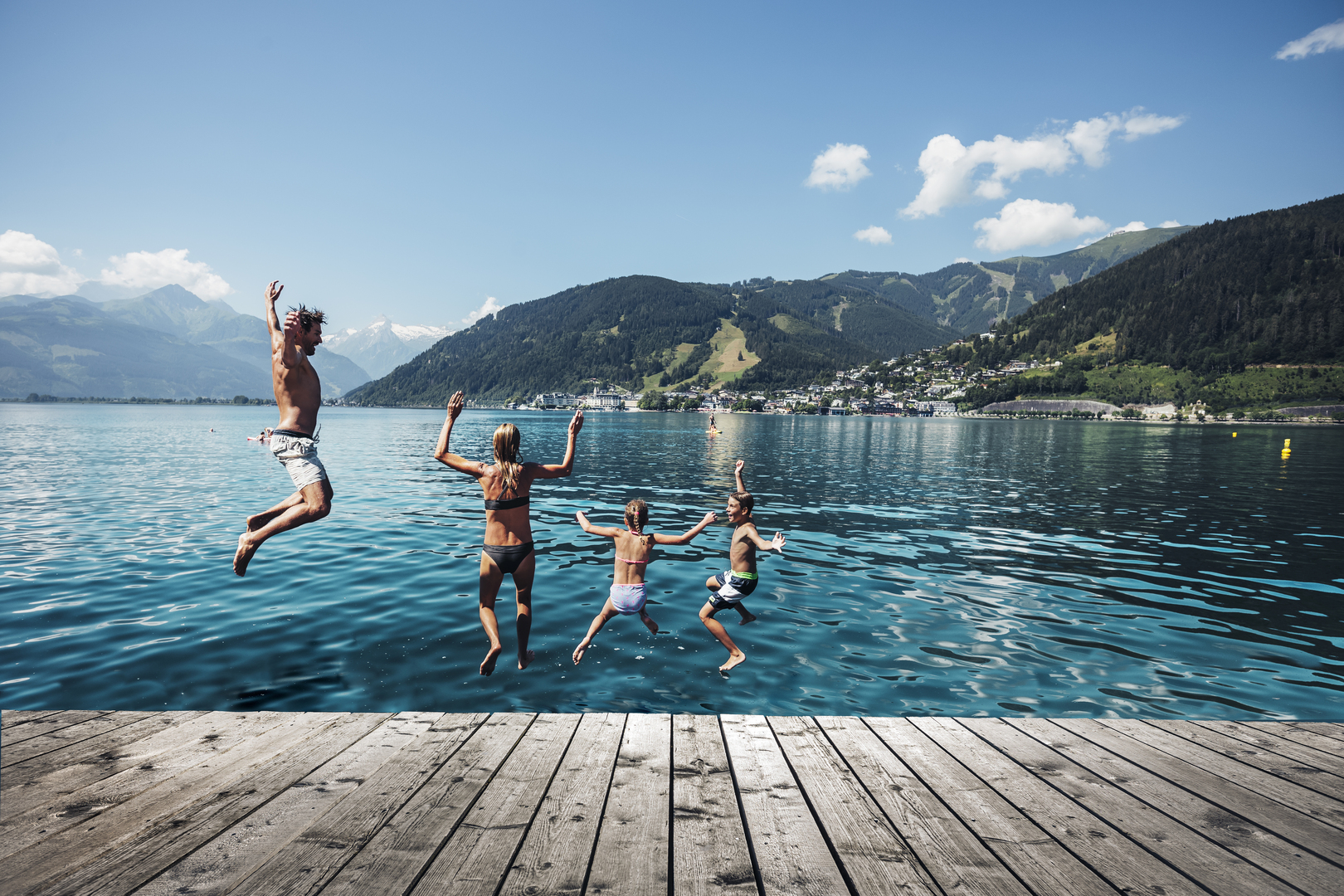
Summer here means swimming. The Zeller See warms up beautifully in July and August, and the water is so clear you see your toes. Rent a little electric boat, jump off the wooden piers, or take a stand-up paddle out at sunset when the lake turns gold.
Afterwards, an ice cream on the promenade and a walk home with wet hair. It is simple, and it is perfect.
In Saalfelden, just up the road, there is the little Ritzensee. A small swimming lake with a view of the Steinernes Meer mountains. Locals go there, visitors rarely find it.
Built on white gold.
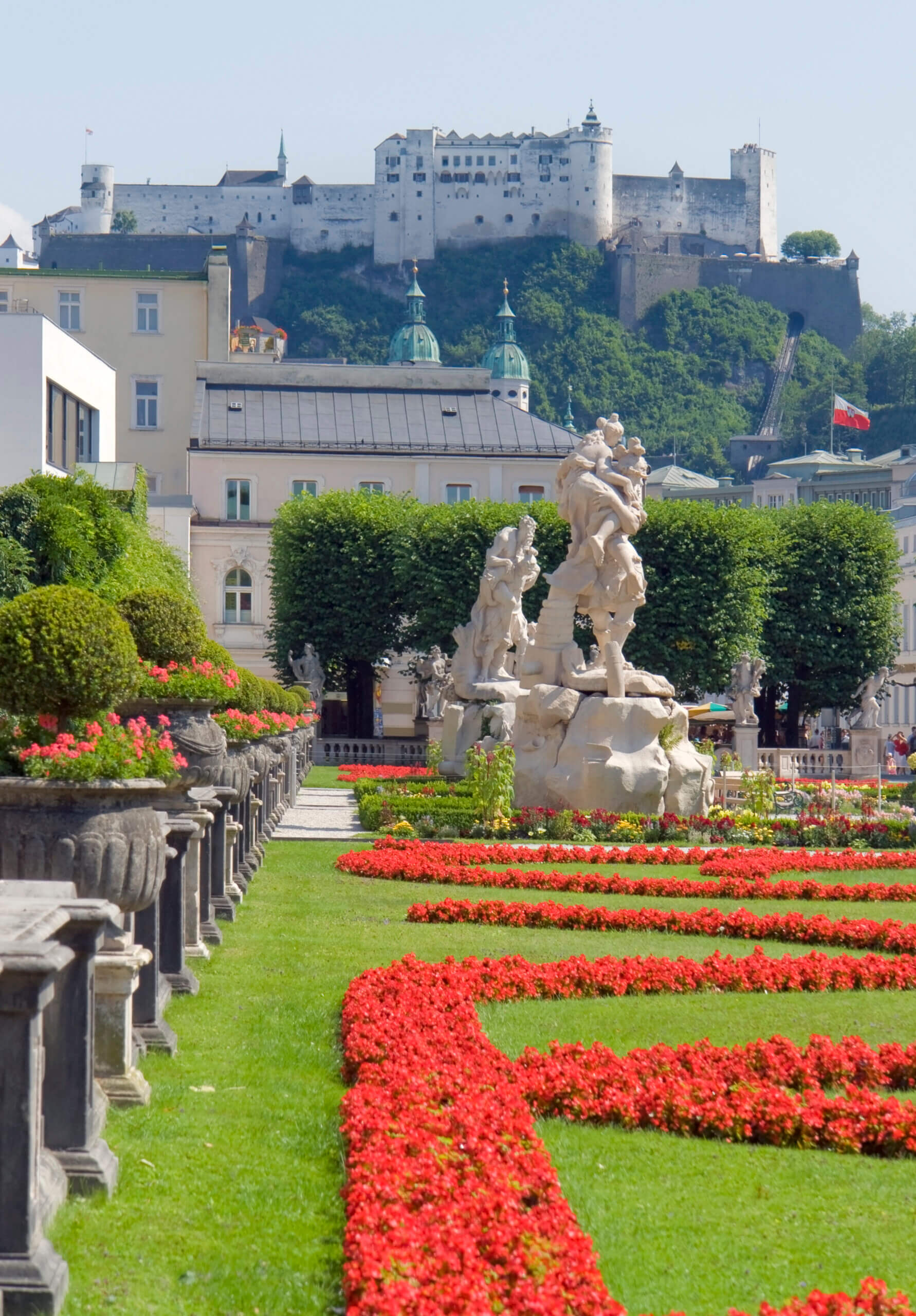
About an hour away is Salzburg, Mozart’s city. Walk through the Mirabell Gardens, where Maria sang Do-Re-Mi, and through baroque squares, churches and little lanes that were paid for with salt. The city’s name literally means “salt castle”.
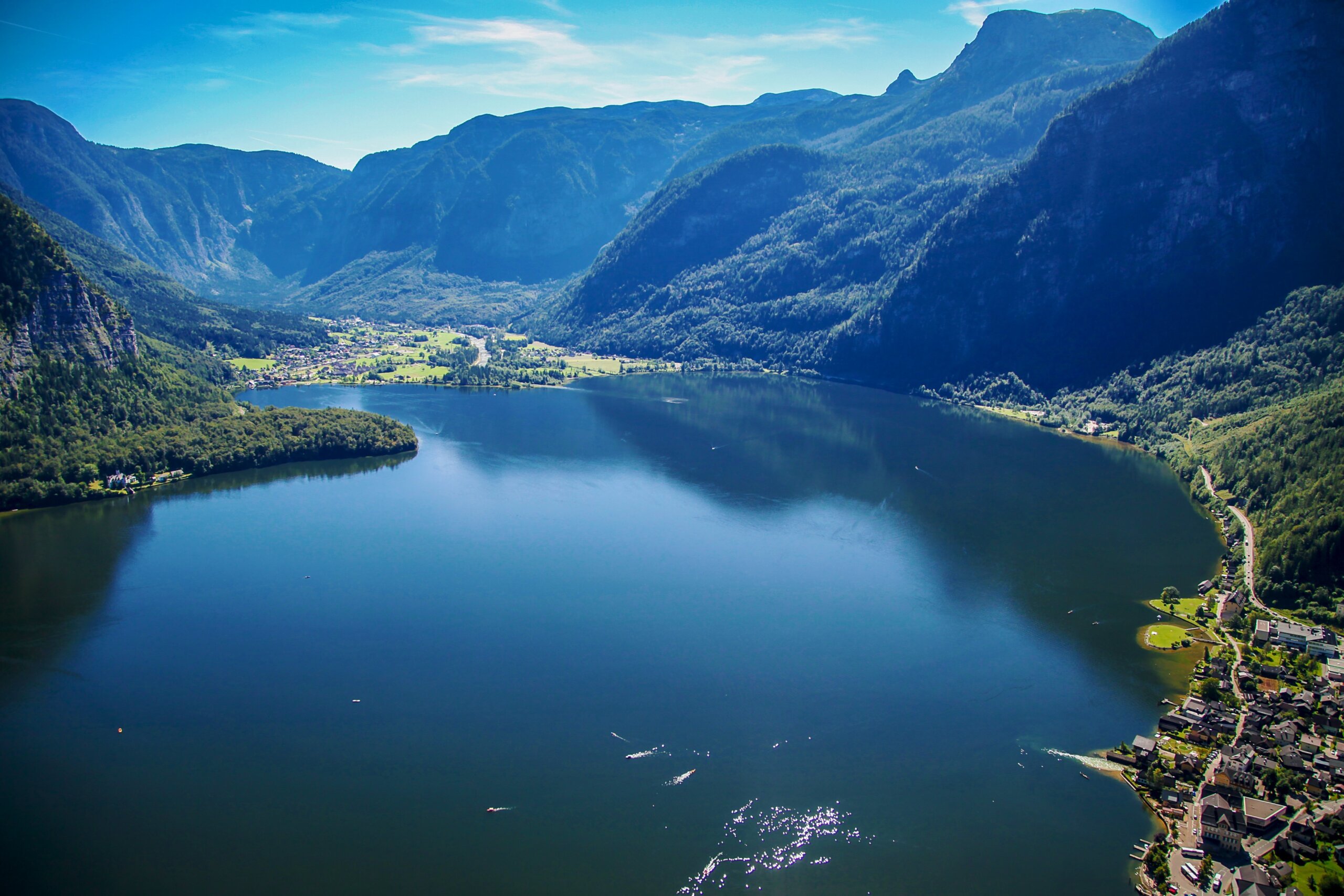
A little further, in the Salzkammergut, lies Hallstatt, where people have mined salt for around 7,000 years. Two of the most famous places in Austria, both an easy day trip from your lake.
Take the train to Salzburg. No parking stress, and you arrive right in the city. For Hallstatt, come early or late in the day, when the crowds are gone.
Right in the heart of Europe.
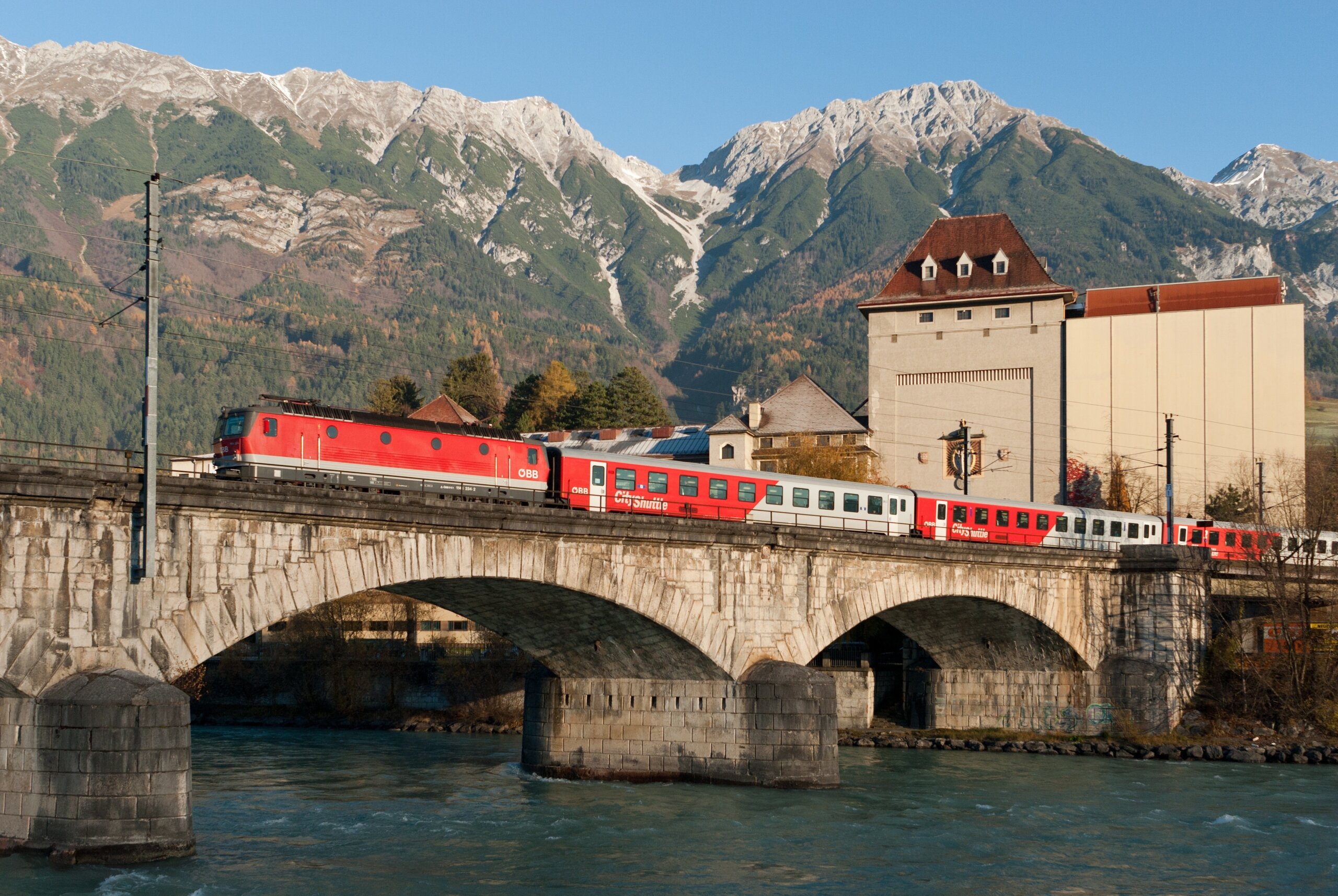
Zell am See sits on Austria’s main railway line, with direct trains to Salzburg, Innsbruck and Vienna. Salzburg airport is about an hour away, Munich a little more. Tirol is next door, and the Dolomites in Italy are close enough for a few days on the way.
That is why so many grand tours and rail journeys pass through here. It is the perfect stop between the cities and the mountains, or the place where you finally slow down for a week.
Old grandeur or modern calm
SalzburgerLand has both. Elegant grand hotels with a hundred years of history, chandeliers and lake views. Cosy family houses where the third generation now welcomes you at breakfast. And modern alpine hotels with clean design, wooden spas and huge windows facing the peaks.
We know them personally, and we match you with the one that feels right for you.
Proper Austrian hospitality
Almost every hotel here is family-run, often for generations. The family greets you, remembers your name and serves you breakfast in Dirndl and Lederhosen. Not as a show, but because this is simply who they are. You don’t just stay in Austria, you feel it.
And everything works: spotless rooms, lifts like clockwork, marked paths and huts where you are welcomed like a friend.
How I would spend one week of summer here.
Not too much driving, a lot of living. This is the week I would plan for my own friends:
- Day 1Arrive in Zell am SeeUnpack, walk the promenade, first swim in the lake.
- Day 2KitzsteinhornSnow in the morning, lake in the afternoon.
- Day 3GrossglocknerThe high road, the glacier and the marmots.
- Day 4KrimmlThe waterfalls in the morning light, a quiet afternoon.
- Day 5SalzburgBy train. Mozart, Mirabell and a slice of Sachertorte.
- Days 6–7Mountains your wayHut walks in Saalbach, Kaprun’s high lakes or a spa day in Gastein.
You can google Hallstatt. But what would you miss on the way?
There is so much here that the hardest part is choosing. The gorge behind the village, the quiet lake locals swim in, the summer card that already pays for half your days. We live in the middle of it, and we help you make the most of every day you have.
- The right base and hotel for you, with the summer card included where possible
- Your days planned in the right order, with less driving and more living
- A plan B for rainy days, so no day is lost
- Hidden places on the way you would never find alone
- Huts, tables and quiet swimming spots locals love
- Salzburg, Hallstatt or Tirol added in the right order
Summer in SalzburgerLand FAQ
Is Zell am See a good base for summer in Austria?
One of the best. You have the lake, the glacier and two mountains right there, and Salzburg, Krimml, the Grossglockner and Hallstatt are all easy day trips. You unpack once and explore everything from one place.
What is the summer card?
Many hotels in Zell am See-Kaprun, Saalbach Hinterglemm, Gastein and other valleys give their guests a free summer card. Depending on the valley, it can include lifts, boat trips, entrances and activities. We tell you exactly what yours covers and choose hotels that include it.
When is the best time for summer in the Alps?
From June to September. July and August are warm and lively, perfect for swimming. June and September are calmer, greener and wonderful for walking.
Do I need a car?
Not necessarily. Zell am See has direct trains, and buses connect the valleys. A car gives you more freedom for places like the Grossglockner, but we can plan a lovely holiday either way.
Is it good for families?
Wonderful. Lakes to swim in, easy walks, huts with playgrounds, marmots, waterfalls and snow in summer. Children love it, and parents finally relax.
How much does your planning cost?
Our planning fee depends on what you need. Planning for a single destination starts from €79, and journeys across several countries start from €279. Before we begin, you receive one clear fixed fee from us, so you know exactly what the planning service will cost. No hidden planning charges.
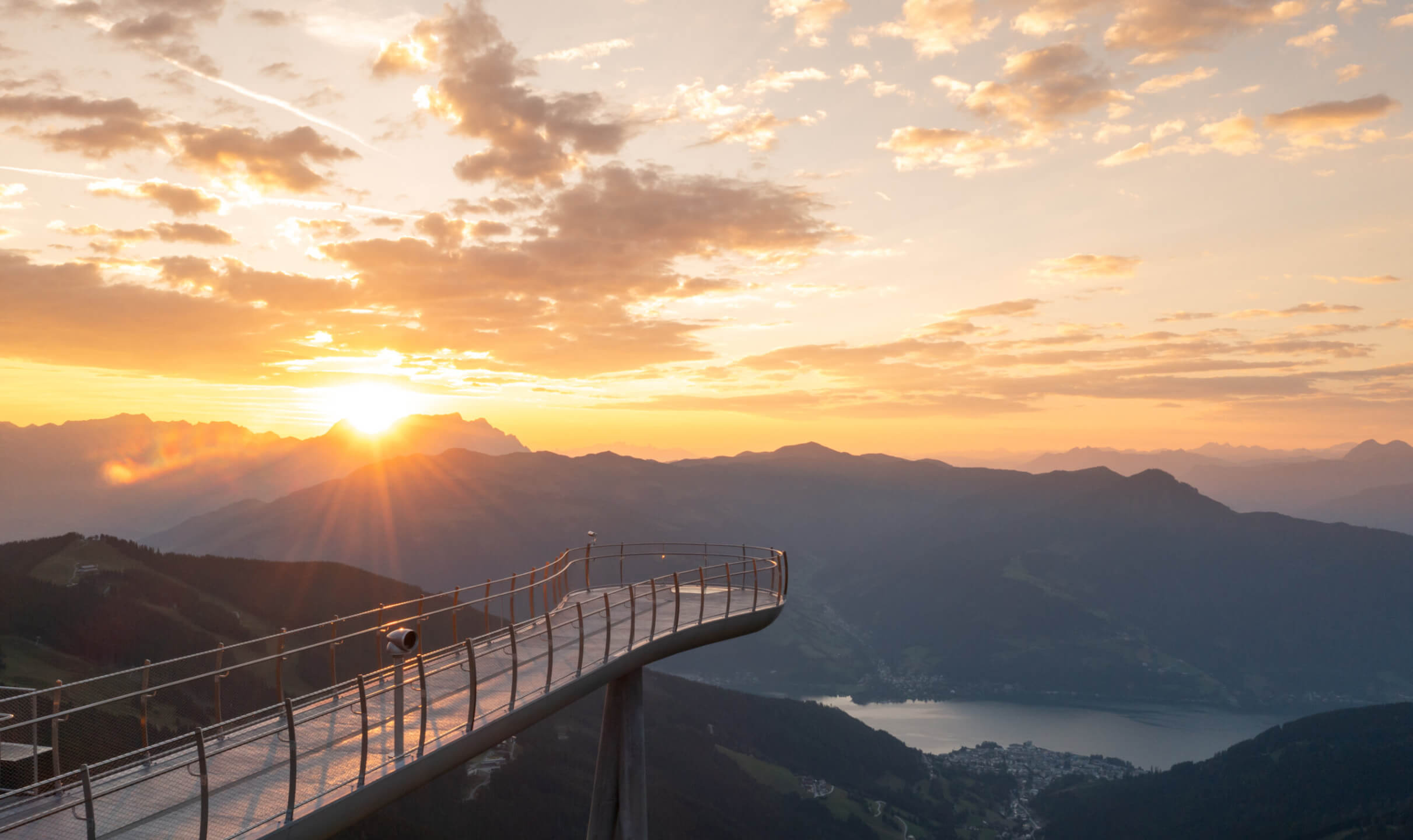
Come and see why we stayed.
Tell us your dates and who is coming. We will plan your summer in SalzburgerLand the way we would for our own friends.
Plan my Alpine summerOur summer, your way
Six places we’d take our own family, and the little things only locals know about them.
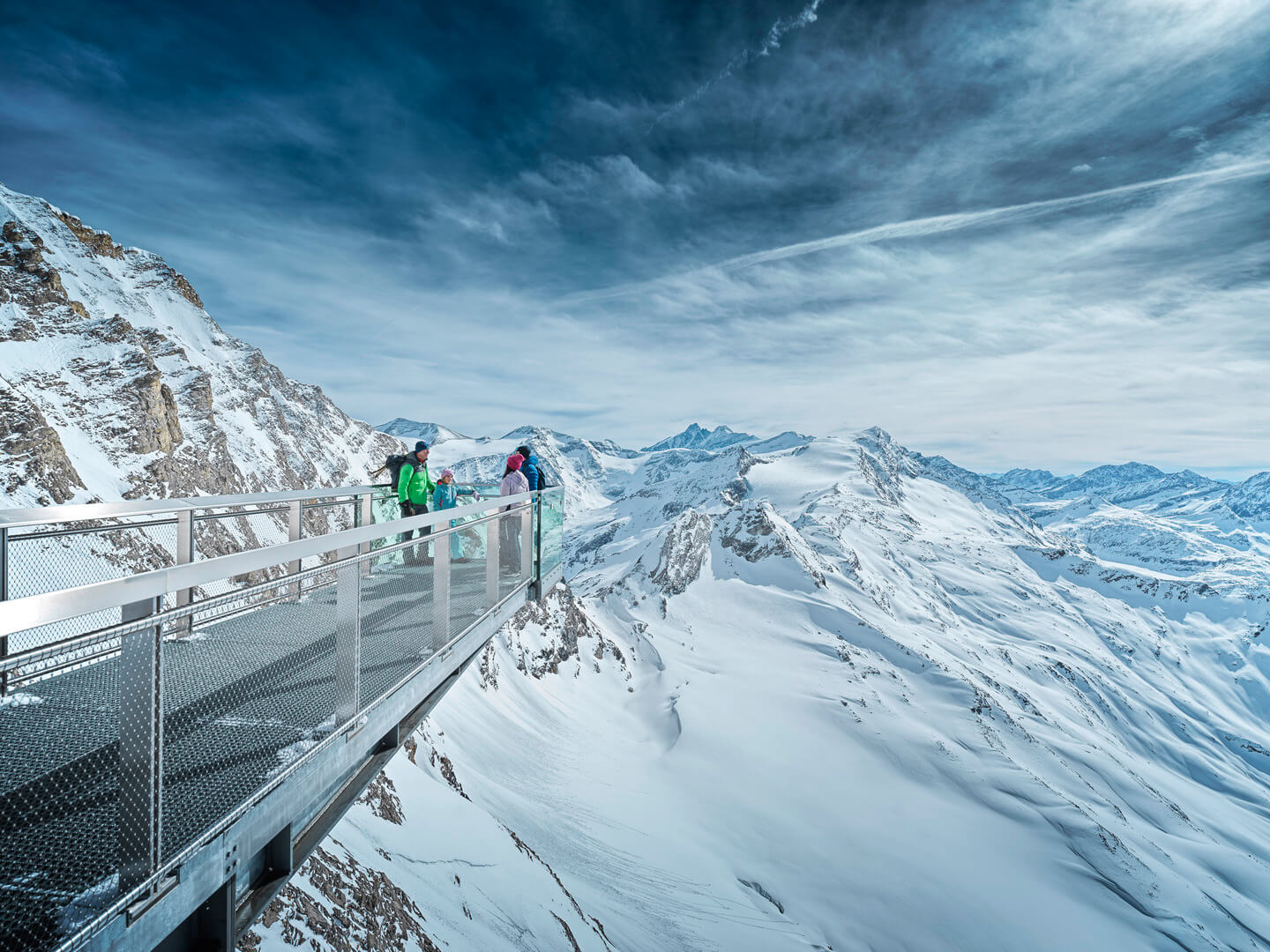 Kitzsteinhorn glacier
Snowballs at breakfast, swimming by lunch.
Up to 3,000 metres, snow under your feet in July, then back down to the lake for the afternoon. The kind of day you’ll be telling people about for years.
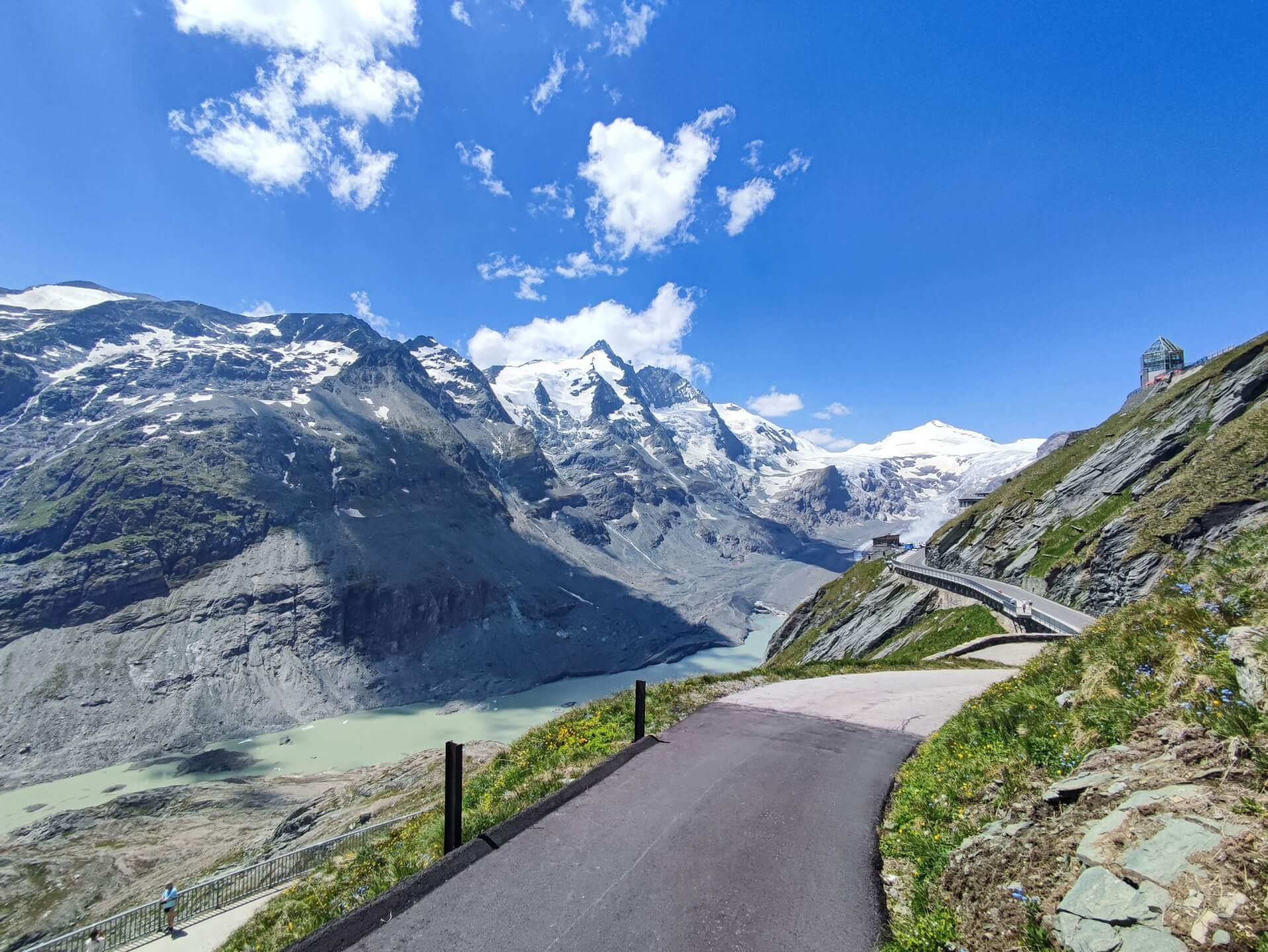 Grossglockner
36 bends, one glacier and a marmot who wants your carrot.
Built by hand in the 1930s, through the toughest years Austria knew. Opened in 1935, and still the most beautiful drive in the Alps.
 Krimml Waterfalls
You’ll hear it before you see it.
380 metres of water in three drops, the highest falls in Austria. The trail climbs right beside the falls, close enough to feel the spray on your face.
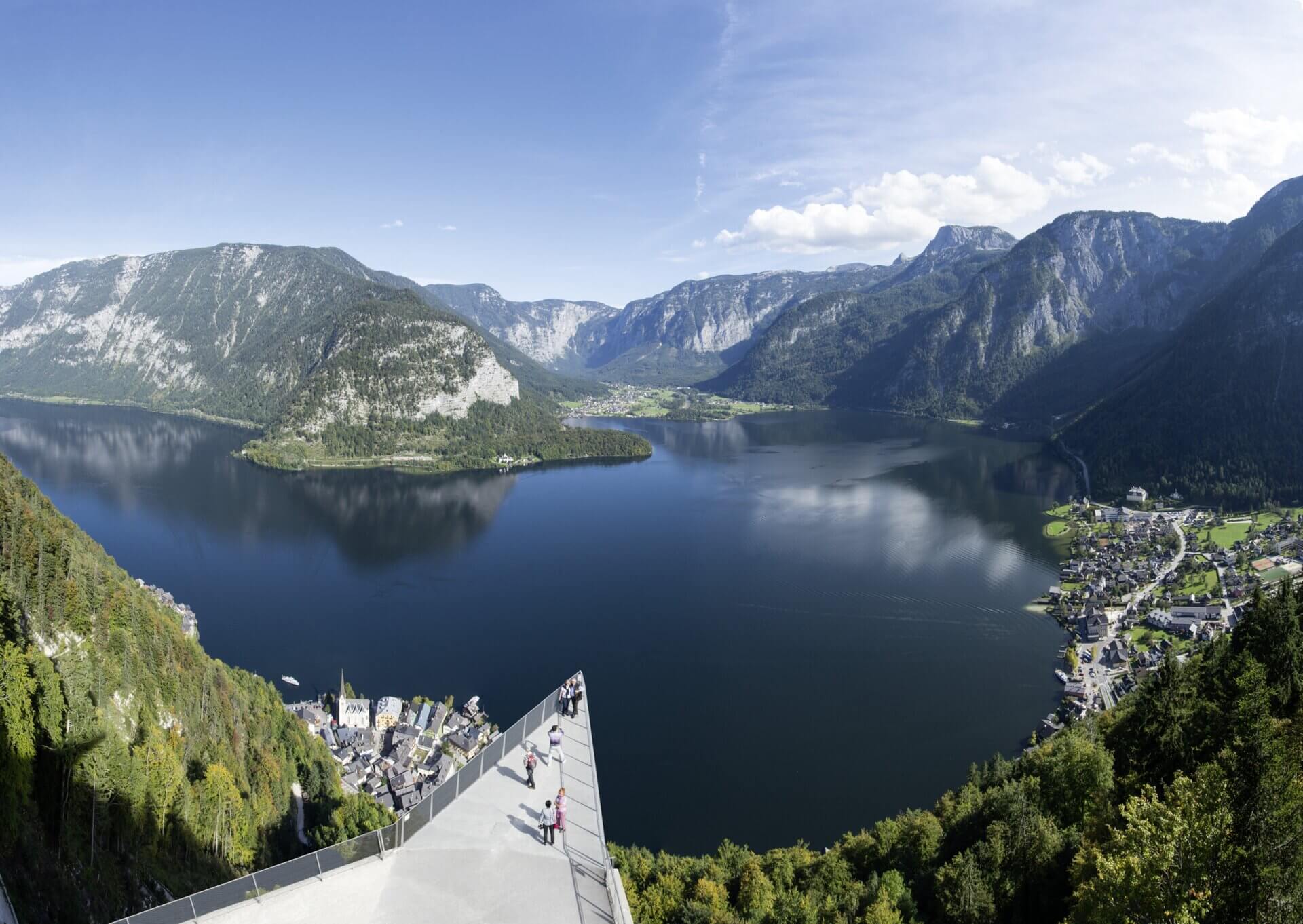 Hallstatt
So pretty, China built a copy.
True story. But nothing beats the original: 7,000 years of salt, a lake like a mirror and the Skywalk hanging above it all.
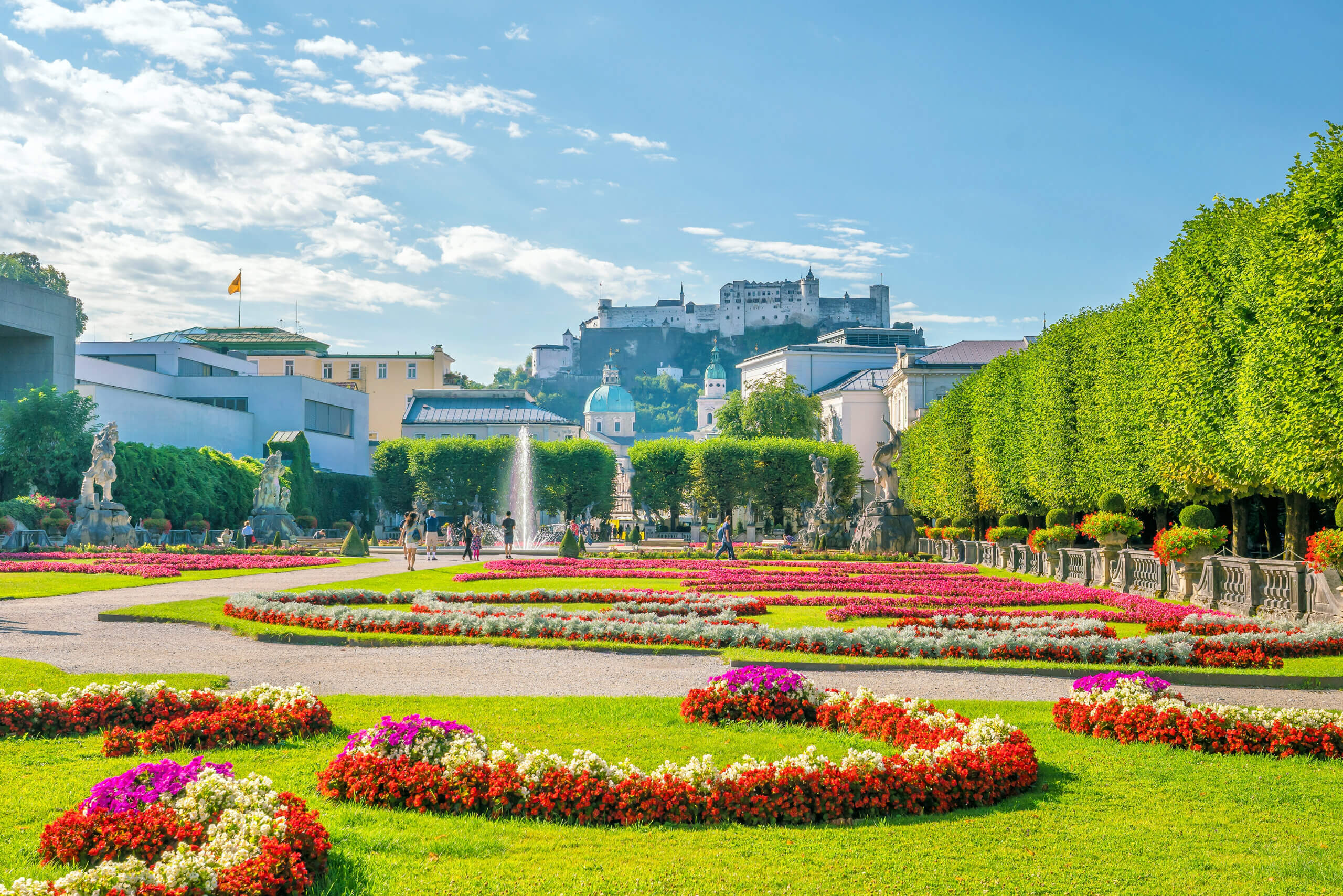 Salzburg
Mozart, gardens and a hundred terraces.
Baroque squares, Mirabell’s flowers, the fortress on the hill and more cafés than you have days. Sachertorte by the river, Salzburger Nockerl for two. Tradition you can taste.
 Food & stay
Dinner by the lake. Then dessert. Obviously.
Kasnocken in a cast-iron pan, fresh lake fish, a glass of Austrian white as the sun goes down. Hosts who remember your name. This is how we live.