From Munich into the Alps: a love affair in seven stops

Munich to the Alps in seven stops
Fly into Munich, fly home from Munich, and in between fall head over heels for the Alps. A fairy-tale castle, Mozart’s city, a lake with a glacier above it, the highest mountain in Austria and roads that make you pull over every ten minutes. This Austria itinerary from Munich is the loop I’d plan for my own friends. Fair warning: it might be the start of a lifelong love affair.
Start slow. Munich has character.


Give Munich two or three days. After a long flight it’s the perfect soft landing: green, relaxed, elegant and proudly Bavarian. Royal palaces, world-class art and a beer culture older than most countries. People surf a river wave in the middle of the city, the market sells everything from fresh pretzels to exotic spices, and good days end in a beer garden.
Just inside the Frauenkirche there’s a dark footprint in the stone floor. The devil agreed to help build the church, as long as it had no windows. From that spot you really can’t see a single one, so he stamped his foot in triumph. Then he walked further in, saw he’d been tricked, and stormed out in a rage. They say the wind that blows around the church is still him. Go and stand in it. Everyone does.

Mozart is in the air
About two hours from Munich, you cross into Austria and suddenly there’s music everywhere. Mozart was born here in 1756, in the yellow house on Getreidegasse, and the city has never quite got over it. Baroque domes, a fortress on the hill that’s been watching over the city since 1077, parks, terraces and cafés that serve cake like it’s a religion.
When Salzburg’s fortress was under siege, the starving defenders had one bull left. Every day they painted it a different colour and paraded it on the walls. The enemy thought the castle was full of cattle, gave up and went home. Locals are still called “bull washers” today.
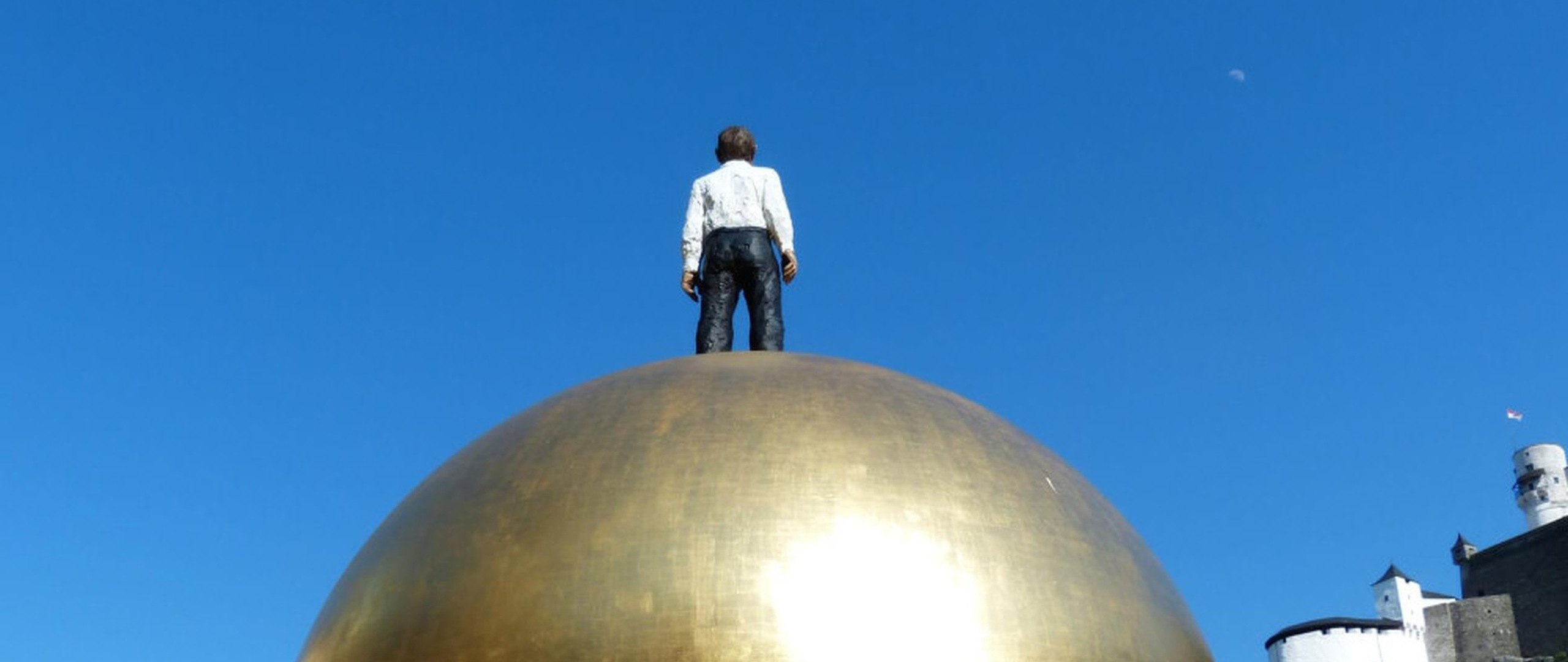
The giant golden Mozart ball
On Kapitelplatz there’s a huge golden ball with a little man standing on top, staring up at the fortress. Kids call it the giant Mozartkugel, and honestly, so do we.
The real Mozartkugel, pistachio marzipan, nougat and dark chocolate, was invented in Salzburg in 1890 by confectioner Paul Fürst. His family still makes them by hand, wrapped in silver and blue foil. Buy them there, not at the airport.
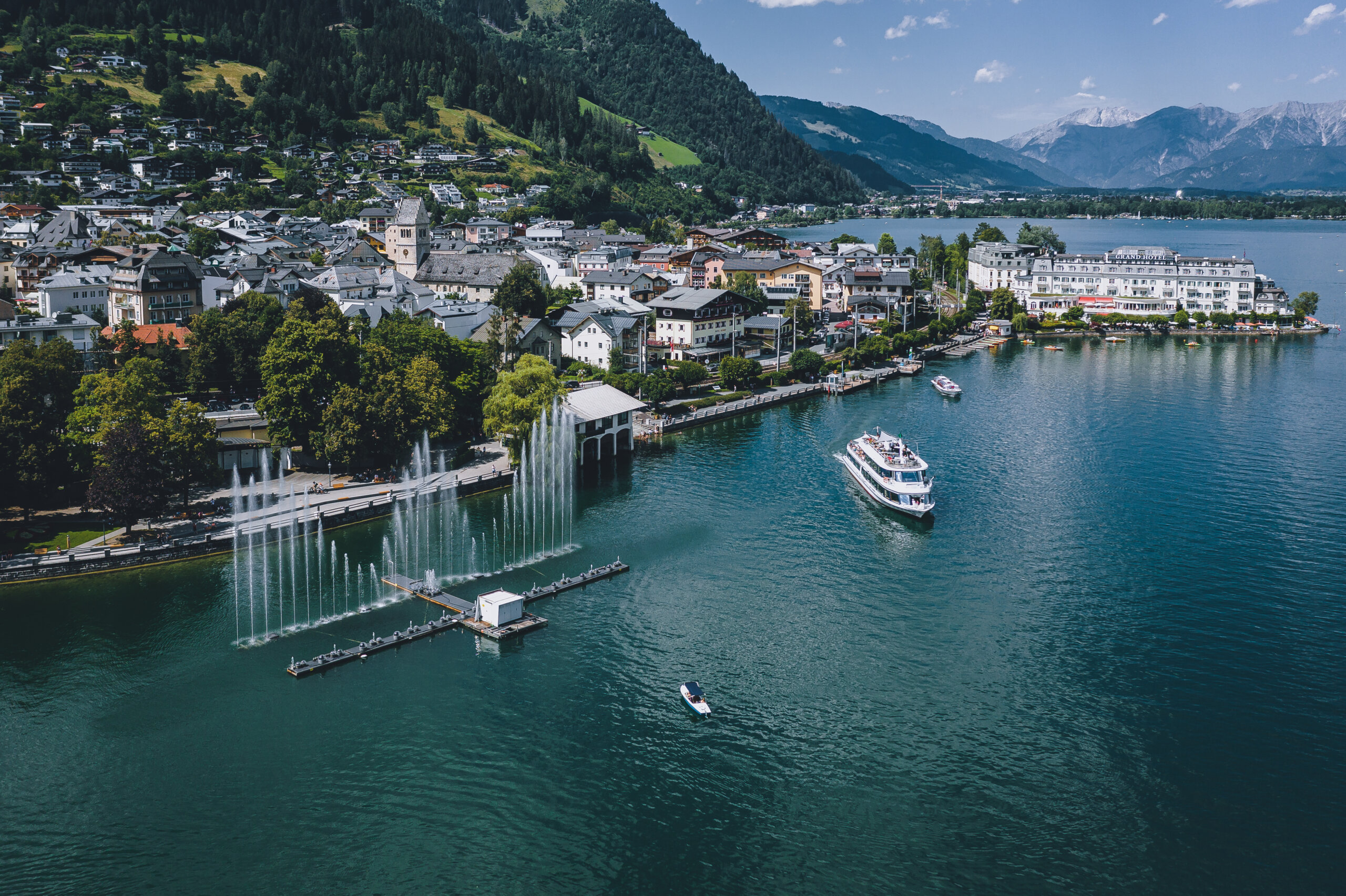
The lake that makes people come back
An hour and a bit from Salzburg, the mountains open up and there it is: Zell am See. A turquoise lake, a pretty old town, snow on the peaks above. Families from all over the world, and from the Gulf in particular, have been falling for it for years.
Take the boat across the lake, swim off a wooden jetty, watch the Seezauber water show dance on the water and have dinner with your feet almost in the lake. This is where you slow down.
Stay four or five nights and use Zell as your base. The glacier, the Grossglockner and the waterfalls are all day trips from here, and you only unpack once.

Snow in July. Really.
Above Kaprun, the cable cars float you up to the Kitzsteinhorn glacier, over 3,000 metres high. Step out onto the Top of Salzburg platform and you’re looking at Austria’s highest peaks, with snow under your feet in the middle of summer. Snowball fight in the morning, lake in the afternoon. Your kids will talk about it for years.
Go up first thing. The views are usually clearest in the morning, before clouds build around the peaks. Bring a jacket, even if it’s 30 degrees down at the lake.
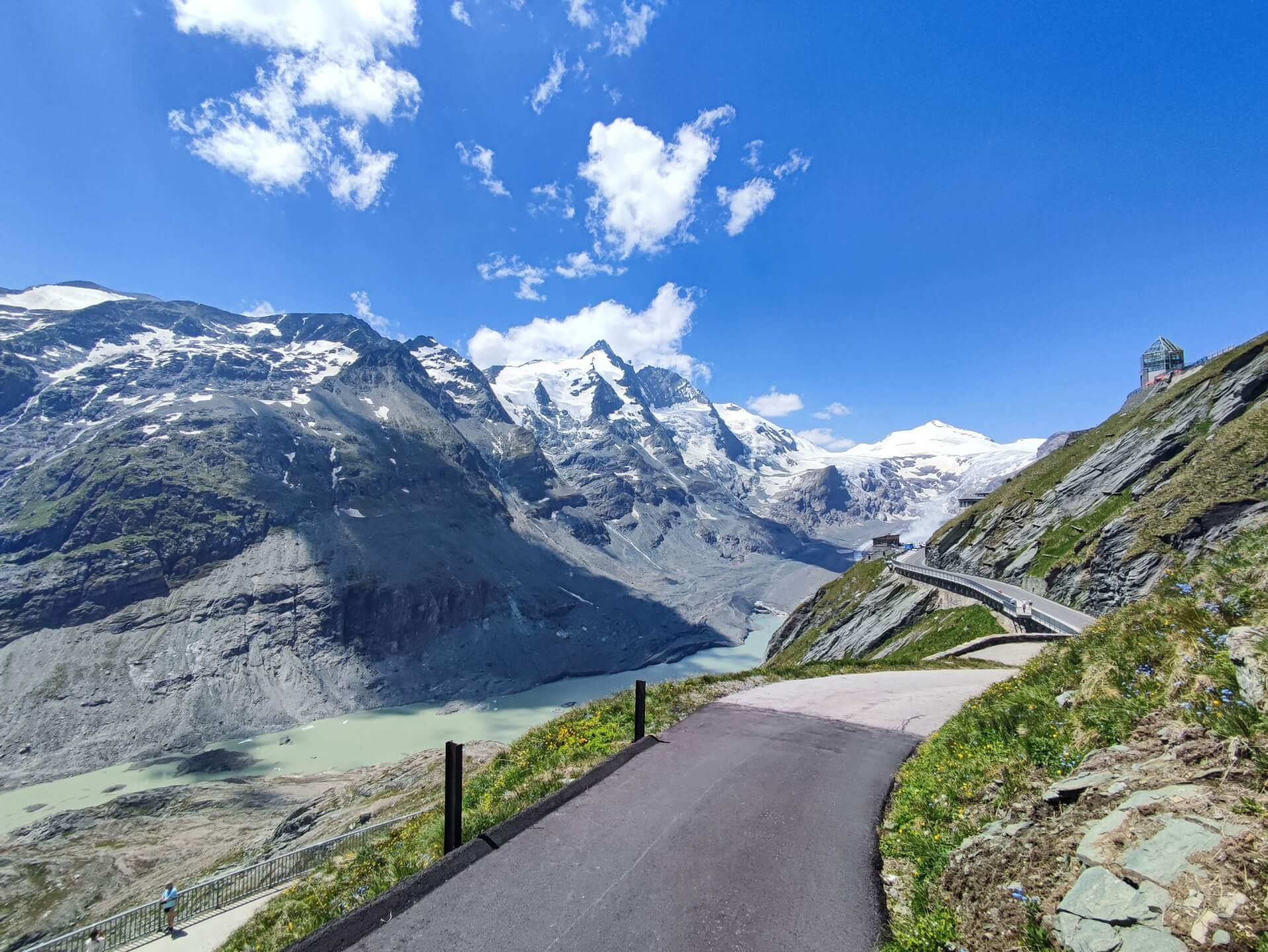
Drive to the roof of Austria
The Grossglockner High Alpine Road climbs through the Hohe Tauern, the largest national park in the Alps, to the foot of Austria’s highest mountain: 3,798 metres. It was built between 1930 and 1935, in the middle of the Great Depression, by thousands of workers who badly needed the jobs. Today it’s one of the most beautiful drives in the world.
The viewpoint at the top is called Kaiser-Franz-Josefs-Höhe. Emperor Franz Joseph and Empress Sisi made the climb in 1856, long before there was a road. You’ll arrive by car, with a coffee and a view of the glacier. Listen for the marmots whistling from the rocks, and please don’t feed them.
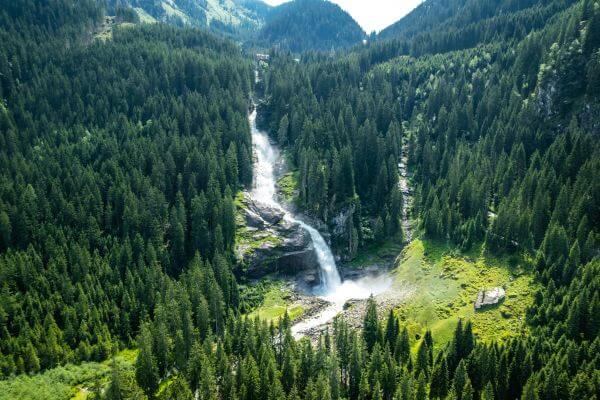
Roads that were made for driving
From Zell am See towards Tirol, the road runs to the Krimml Waterfalls, the highest in Austria, then climbs the Gerlos Alpine Road with lakes and views on every bend. Down into the Zillertal valley and on to Innsbruck. Self-drive at its best: windows down, music on, stop wherever your heart says stop.
Don’t rush this day. Leave time for the waterfalls, a hut lunch with mountain cheese and a coffee at the top of the pass. The road is the destination.
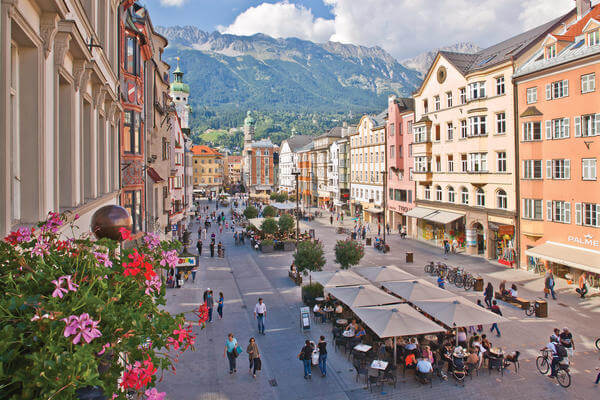
The soul of Tirol
Innsbruck is a city where the mountains start at the end of the street. Colourful houses on the river, the Golden Roof with its 2,657 gilded copper tiles, built for Emperor Maximilian I around 1500, and two Winter Olympics in its history. From the centre, the Nordkette cable cars take you to over 2,000 metres in about 20 minutes. City breakfast, mountain lunch.
Emperor Maximilian loved hunting, a little too much. Legend says he got stuck on the steep Martinswand cliff near Innsbruck, with no way up or down. After two days an angel, or a brave local shepherd, depending on who tells the story, appeared and led him to safety. A cross still marks the spot.
From Innsbruck, Munich airport is about two hours away. A perfect loop.
How I would spend 12 days
Land softly
Old town, Viktualienmarkt, the English Garden and a beer garden evening. Day 3: Neuschwanstein, early.Music and cake
Getreidegasse, the fortress, Mirabell Gardens, a candlelit concert and Mozartkugeln from the source.Unpack once
Lake days, the Kitzsteinhorn glacier in the morning, a full day on the Grossglockner and one day of doing nothing at all.The road is the trip
Krimml Waterfalls, Gerlos Alpine Road, Zillertal. Arrive in Innsbruck in time for dinner.City and summit
Golden Roof in the morning, Nordkette at lunch. Fly home the next day from Munich.Keep the heart
Munich 2 nights, Salzburg 1, Zell am See 4. Fly in and out of Munich or Salzburg.Good to know before you go
The places are easy to find. These are the little things that decide whether the trip feels easy or stressful.
Why plan it with us?
You can find all of these places on a map. What a map can’t tell you is how they fit together: train or car, which order saves you a day, where to base yourself, how to avoid the one-way car fee, which tolls you’ll pay and which hut serves the best local food.
We live here. We make the whole loop feel easy.
This could be just the beginning
Most people who do this loop once come back. For the skiing, for the lakes, for the food, for the people. Be careful: the Alps are very easy to fall in love with.
Debora · Travel Sorted, Saalbach
Questions we get asked
How many days do I need for an Austria itinerary from Munich?
Ten to fourteen days is perfect: two or three in Munich, two in Salzburg, four or five in Zell am See and two in Innsbruck. A week works too if you focus on Munich, Salzburg and Zell am See.
Do I need a car?
Not necessarily. Trains connect Munich, Salzburg, Zell am See and Innsbruck beautifully. For the Grossglockner and the mountain passes a car makes life much easier, and we’ll tell you where to pick one up and drop it off.
Can I rent a car in Munich and drive it in Austria?
Usually yes, but always check the rental conditions. You’ll need an Austrian motorway vignette, and returning the car in another country often costs a one-way fee. Starting and ending in Munich avoids that.
Is this trip good for families?
Very. Short travel days, lakes to swim in, snow in summer, cable cars, castles and marmots. Kids love it, and so do grandparents.
When is the best time to go?
June to September for lakes and mountain roads. Most high alpine roads are open from May to October. September is our secret favourite: quieter, golden and still warm.
How much does the planning cost?
Our planning fee depends on what you need — from a focused day recommendation or one destination to a complex multi-country itinerary. Planning for a single destination starts from €79, and journeys across several countries start from €279. Before we begin, you receive one clear fixed fee from us, so you know exactly what the planning service will cost. No hidden planning charges. Once you approve the fee, we start building your itinerary around your trip, your priorities and your budget.
Every great journey starts somewhere. Let’s find yours.
Coffee in Vienna. A sunset over the Danube in Budapest. Wine in the Tuscan hills while the bells ring out across the valley. In Europe, two hours on a train changes the language, the food and the light. We live right in the middle of it. We know which trains to take, which squares to linger in and which tables are worth the wait. You bring the curiosity. We’ll connect the dots.
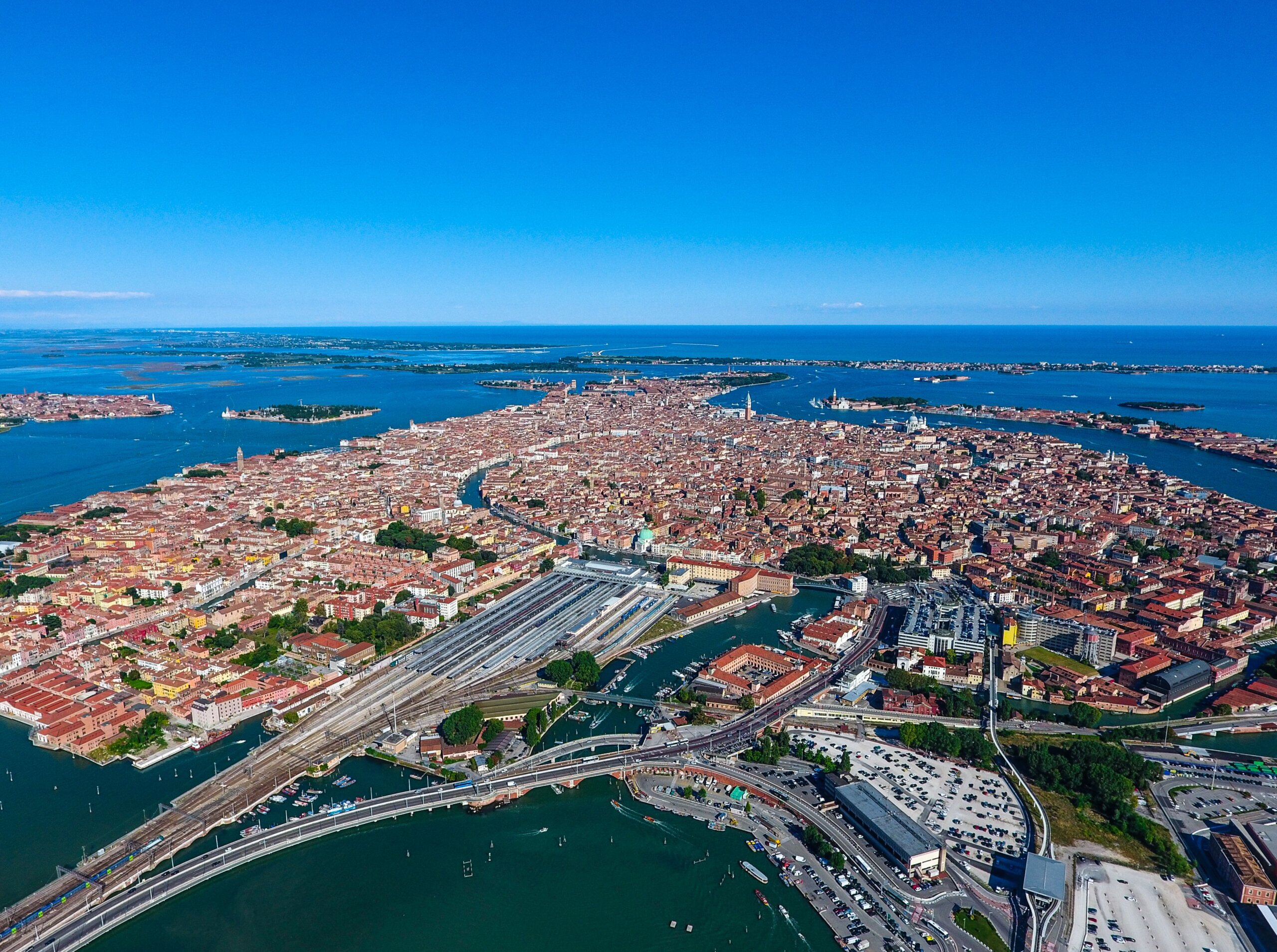 Rail · Alps to Italy
Breakfast in Bavaria. Dinner on a canal.
Over the Brenner Pass, through South Tyrol’s vineyards, and the light turns Italian. You just watch the Alps turn into Italy.
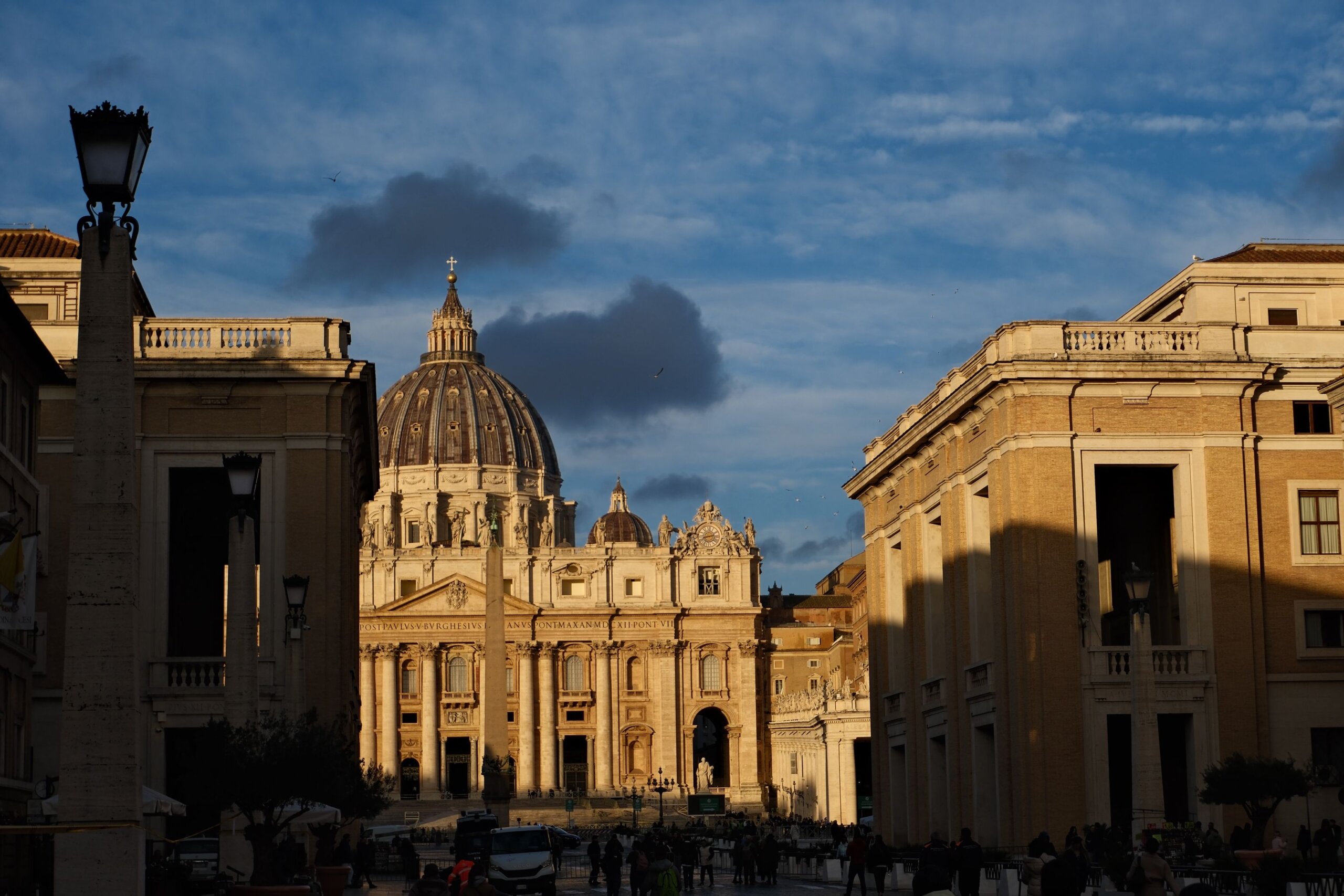 Night train · Rome
Fall asleep in Munich. Wake up in Rome.
A cabin with a real bed, the Alps in the dark, Tuscany at sunrise. One night saved, one day gained, one story for life.
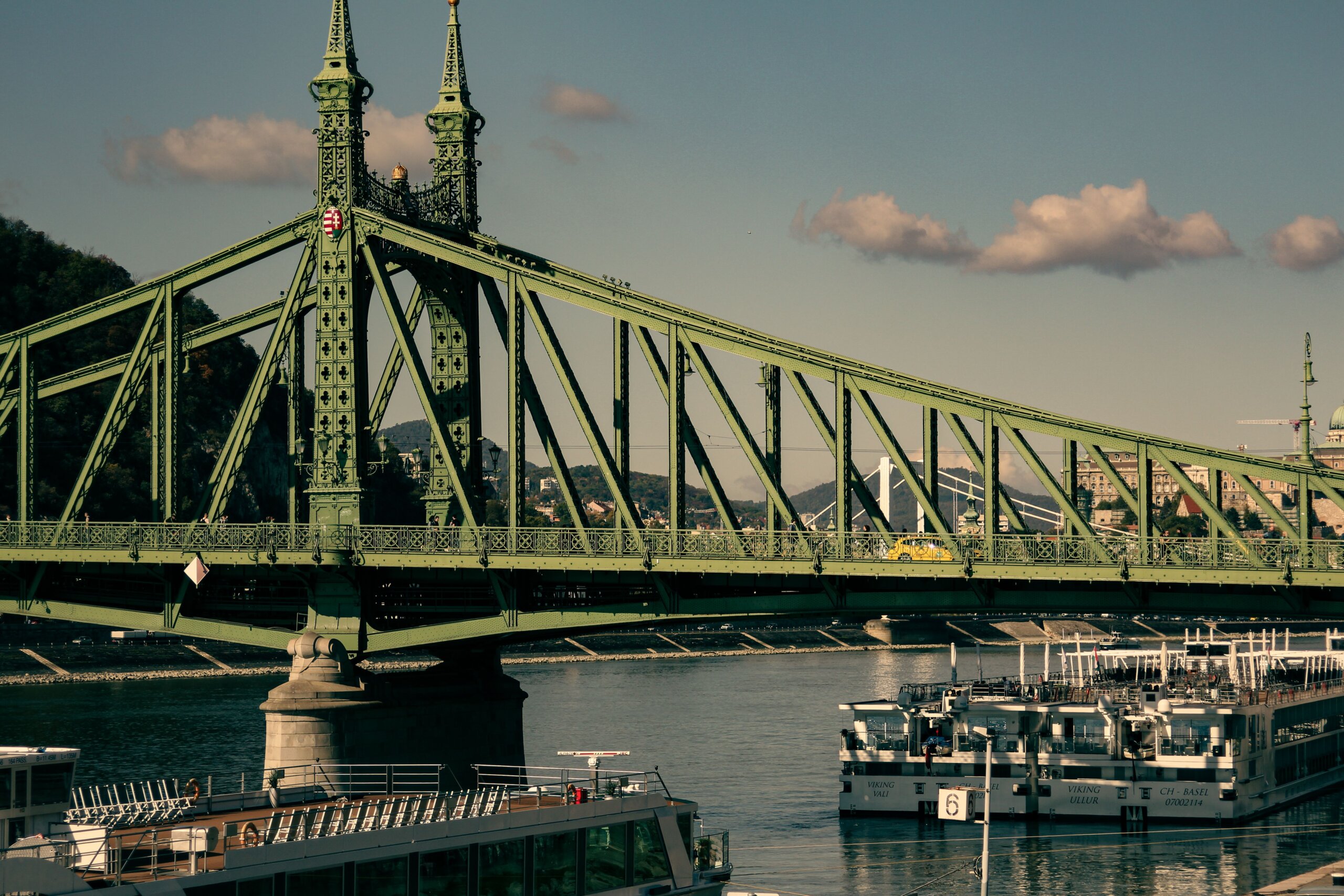 Rail · 3 capitals
Three capitals, one window seat.
Palaces, coffee houses and music, each a few hours apart. Watch the Danube appear and Prague’s spires rise on the horizon.
 7 nights · Italy to Austria
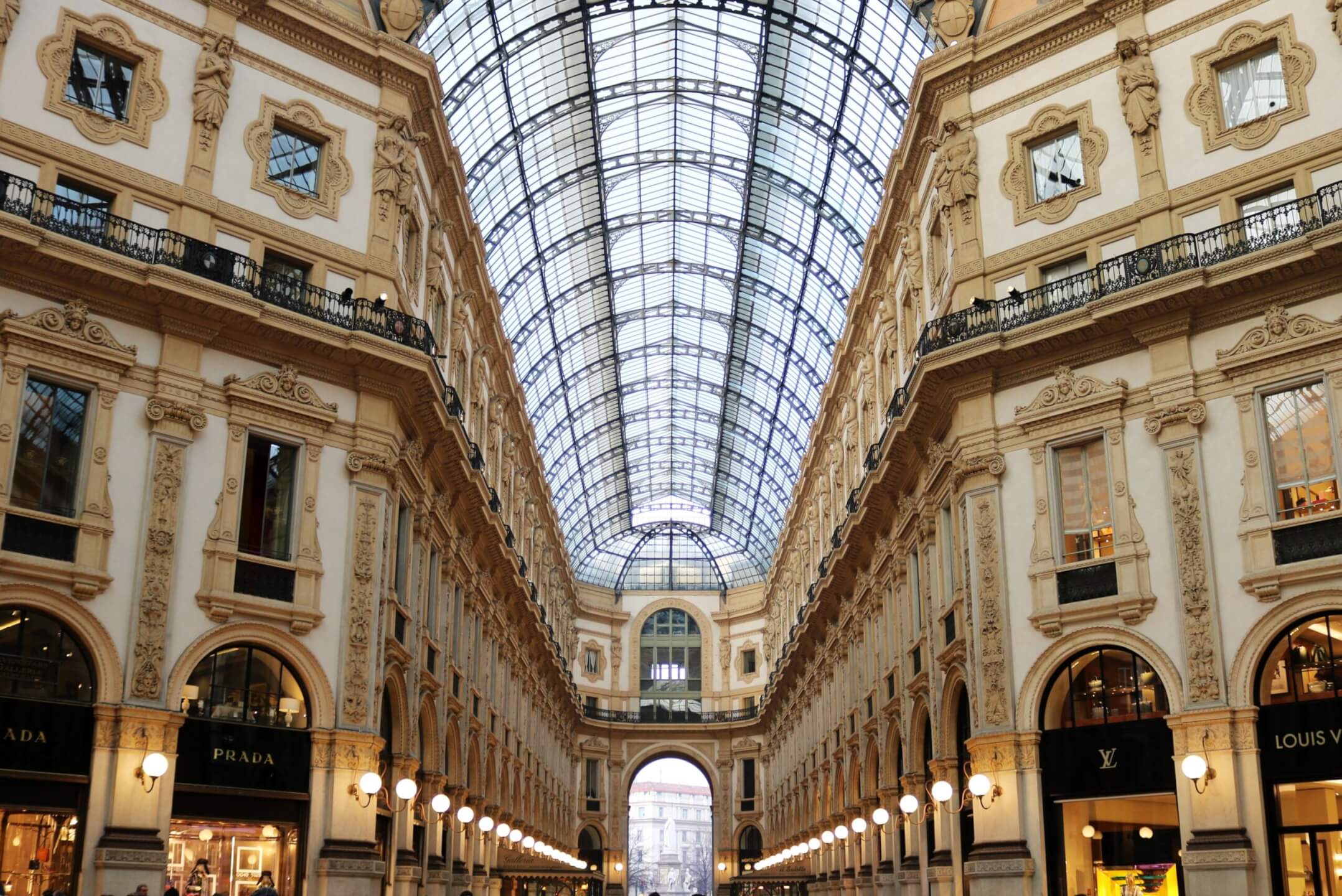
It starts with Prada. It ends with cowbells.
Milan’s style, Lake Garda’s lemons, South Tyrol’s wine, then the Alps open up and everything becomes quiet.
 5 nights · by sea
You came for Venice. The Adriatic kept you.
Water taxi into Venice, the bacaro trail, Murano glass, then the catamaran to Istria and Rovinj at sunset.
 8 nights · one coastline
Five cities. Every version of Croatia.
Dubrovnik’s walls, Split’s fish market, Plitvice’s lakes and the sunset Hitchcock never forgot.